
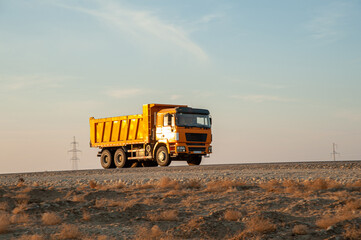
How to Hire a Reliable Truck Driver for Your Business
Hiring the right truck driver can make a major difference to your transportation operations. A professional driver is responsible not only for operating the vehicle but also for ensuring that goods reach their destination safely and on time.
Whether you operate a logistics company, construction business, transport fleet, or own commercial vehicles, choosing the right driver should be an important part of your hiring process.
1. Check the Driver’s Experience
Experience is one of the first things to consider when hiring a truck driver. Different commercial vehicles require different driving skills.
For example, driving a:
- Heavy truck
- Trailer
- Container truck
- Dumper
- Tanker
- Multi-axle vehicle
may require specific experience.
Ask the driver about their previous work experience and the types of vehicles they have operated.
2. Verify the Driving Licence
Always verify that the driver’s licence is valid and appropriate for the vehicle category they will operate.
You should also check relevant documents and ensure that the information provided by the driver matches their identification details.
3. Consider the Driver’s Location
For businesses that regularly operate in a particular region, hiring a driver familiar with local routes can be useful.
A driver who knows major highways, industrial areas, construction zones, and city routes can help reduce unnecessary delays.
4. Check Professional Behaviour
A good commercial driver should be responsible, punctual, and careful with the vehicle and cargo.
During the hiring process, discuss:
- Working hours
- Trip schedules
- Expected responsibilities
- Vehicle maintenance
- Safety procedures
- Payment terms
Clearly defining expectations can help avoid misunderstandings later.
5. Use a Structured Driver Profile
Maintaining a digital driver profile can make hiring and fleet management easier.
A profile can include:
Driver ID: TP123433
Vehicle Type: Heavy Truck
Experience: 8 Years
Location: Gurugram
Status: Available
This allows businesses to quickly compare driver information and contact suitable candidates.
Conclusion
Hiring a professional truck driver requires more than simply checking driving experience. Licence verification, vehicle experience, location, reliability, and professional behaviour should all be considered.
A structured driver database can make the process faster and easier for businesses that regularly hire commercial vehicle drivers.
Article 2
Title
Truck Rental vs Buying a Truck: Which Option Is Right for Your Business?
Short Description / Excerpt
Buying a commercial truck requires a significant investment. Truck rental can provide businesses with flexibility when vehicles are needed for short-term or project-based transportation.
Article Content
Truck Rental vs Buying a Truck: Which Option Is Right for Your Business?
Businesses often need commercial vehicles to transport materials, goods, machinery, and equipment. However, purchasing a truck is not always the most practical solution.
Depending on your transportation requirements, renting a truck may provide greater flexibility.
Buying a Truck
Purchasing a truck gives your business complete ownership of the vehicle. This can be useful for companies that require the same vehicle regularly over a long period.
However, ownership also comes with additional responsibilities.
These may include:
- Vehicle purchase cost
- Insurance
- Maintenance
- Repairs
- Registration
- Driver management
- Depreciation
The initial investment can also be significant.
Renting a Truck
Truck rental allows businesses to use a commercial vehicle without purchasing it outright.
Rental can be useful when a company needs additional vehicles for:
- Construction projects
- Seasonal transportation
- Short-term contracts
- Increased logistics demand
- Emergency requirements
- Special transportation jobs
Instead of keeping an additional vehicle in your fleet throughout the year, you can rent one when required.
Different Types of Equipment Available for Rental
Commercial rental platforms can offer a variety of vehicles and equipment, including:
Trucks
Suitable for general transportation and logistics requirements.
Trailers
Useful for transporting large or heavy loads.
JCB Machines
Commonly used for construction, excavation, and material handling.
Cranes
Useful for lifting and moving heavy materials at construction and industrial sites.
Rollers
Used for road construction and surface compaction.
Hyva / Tippers
Suitable for transporting and unloading construction materials such as sand, soil, and aggregates.
What Should You Consider?
Before renting or buying a vehicle, consider:
How frequently will you use it?
If the vehicle is required every day for several years, ownership may be worth evaluating.
How long is the project?
For a short-term project, rental can provide greater flexibility.
What is your maintenance capacity?
Owned vehicles require ongoing maintenance and repairs.
Do you need different vehicle types?
Rental can allow businesses to select different equipment according to individual project requirements.
Conclusion
There is no single solution for every business. The right choice depends on vehicle usage, project duration, operating requirements, maintenance responsibilities, and overall transportation needs.
For businesses with changing transportation requirements, having access to trucks and construction equipment on a rental basis can provide useful flexibility.
Article 3
Title
7 Things to Check Before Renting Heavy Equipment
Short Description / Excerpt
Before renting a JCB, crane, roller, truck, trailer, or other heavy equipment, businesses should check the machine’s condition, specifications, availability, rental terms, and operator requirements.
Article Content
7 Things to Check Before Renting Heavy Equipment
Heavy equipment plays an important role in construction, infrastructure, logistics, and industrial projects.
Renting equipment can help businesses access the machinery they need without purchasing expensive assets. However, it is important to check the equipment carefully before confirming a rental.
Here are seven things to check.
1. Equipment Type
First, make sure you are renting the correct equipment for your project.
Depending on the job, you may require:
- JCB
- Crane
- Roller
- Truck
- Trailer
- Hyva
- Excavator
- Loader
Using the wrong machine can affect productivity and project timelines.
2. Machine Specifications
Check the specifications before booking.
Important specifications may include:
- Capacity
- Operating weight
- Lifting capacity
- Engine power
- Dimensions
- Model year
- Load capacity
Make sure the equipment matches your project’s requirements.
3. Equipment Condition
Inspect the equipment before accepting it.
Look for visible damage and ask about:
- Tyres
- Hydraulic systems
- Engine condition
- Brakes
- Lights
- Safety equipment
- Previous maintenance
For larger equipment, a proper inspection can help identify potential problems before the rental begins.
4. Rental Duration
Clearly confirm the rental period.
For example:
Daily Rental: Suitable for short jobs
Weekly Rental: Suitable for medium projects
Monthly Rental: Suitable for longer projects
Ask what happens if the equipment is required for additional days.
5. Operator Availability
Some businesses require equipment with an experienced operator.
For example, you may need:
Crane + Operator
or
JCB + Operator
Confirm whether the operator is included in the rental price or needs to be arranged separately.
6. Location and Delivery
Check where the equipment is located and how it will reach your project site.
Transportation costs for large machinery can be significant, so clarify:
- Pickup location
- Delivery charges
- Return charges
- Delivery timeline
- Site accessibility
7. Rental Terms and Charges
Before confirming the rental, understand the complete pricing structure.
Ask about:
- Rental charges
- Security deposit
- Transportation charges
- Operator charges
- Fuel responsibility
- Maintenance responsibility
- Late return charges
- Damage policy
Getting these details in advance helps avoid unexpected costs.
Conclusion
Renting heavy equipment can provide businesses with access to machinery without the large investment associated with purchasing it.
Whether you need a truck, trailer, JCB, crane, roller, or Hyva, carefully checking the equipment, specifications, rental duration, operator requirements, location, and rental terms can make the process easier and more transparent.
A well-organized equipment rental platform can help businesses find suitable machinery based on equipment type, location, availability, and rental requirements.